
By Paul Williams – ABBA Breed Development Officer
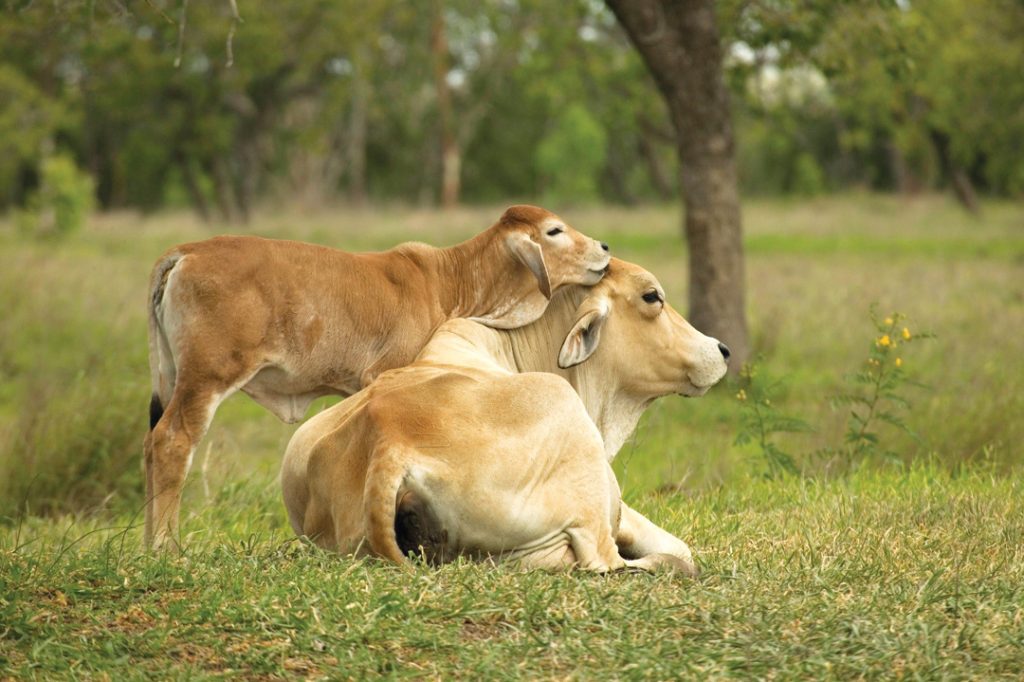
Recording every calf born, including dead calves and steers is one of the most valuable management practices for any Brahman breeder. While it can feel like an extra task at calving time, complete and accurate records form the foundation for herd improvement, reliable EBVs, and long-term genetic progress across the breed. Every birth, whether the calf survives or not, provides crucial information about fertility, calving ease, growth, and overall herd performance.
Why Every Calf Counts
BREEDPLAN emphasise that accurate genetic evaluation depends on whole-herd recording. When all calves are recorded, the system can accurately pinpoint which cows and sires are delivering the best performance and highlight the genetics that consistently produce the traits breeders are chasing.
Leaving calves out – whether they died, were unthrifty, or are destined for slaughter – creates gaps in the data. These gaps can distort fertility and growth outcomes, reduce EBV accuracy, and make it harder to compare animals within a contemporary group. The principle is simple: the more complete the data, the more accurate the EBVs.
EBVs reflect true genetic merit rather than incomplete or biased information.
Improving EBV Accuracy
Estimated Breeding Values (EBVs) rely on fair comparisons between animals raised under similar conditions. If some calves in a mob are not recorded, these comparisons become less reliable, lowering confidence in EBV results for the rest of the group. Every calf adds information that strengthens the accuracy of EBVs for growth, fertility and carcase traits.
Fertility traits: Fertility EBVs, particularly Days to Calving, depend on knowing which cows calved. If dead calves aren’t recorded, the system may assume the cow didn’t calve at all, unfairly penalising her. Recording stillbirths ensures cows are recognised for having calved, even if the calf didn’t survive.
Birth weight: When birth weights are recorded, the full calf crop, including stillborn is essential for accurately assessing calving ease. Leaving out heavier calves or difficult births can make sires appear easier calving than they actually are.
Growth and carcase traits: Steers may not enter the breeding herd, but their weights, scans and carcase data provide valuable insight into the genetic merit of their sires and dams. Recording steers strengthens sire evaluations, highlights high-performing bloodlines, and improves the accuracy of growth and carcase EBVs.
In short, EBVs are only as reliable as the data behind them. Complete recording ensures.
Benefits for Herd Management
Recording every calf benefits more than just the genetic evaluation system – it improves on-farm management and decision-making. Knowing which cows calve each year, regardless of calf survival, gives an accurate picture of herd fertility. A cow that loses a calf (e.g., dies at branding) shouldn’t be mistaken for empty or infertile. Recording dead calves protects cows from being culled unfairly and helps identify genuine fertility issues.
Accurate birth and weaning records also reveal management trends. If multiple calves from a certain paddock or sire line are lost or underweight, it may indicate health issues, nutrition problems, or environmental stress. Consistent whole-herd recording allows breeders to recognise patterns and respond before the problems escalate.
Over time, these records build a detailed herd history. Breeders can track cows that consistently produce strong, healthy calves as well as those with recurring birthing or mothering issues. This information supports sound selection and culling decisions, helping shape a more productive herd.
Why Record the Steers
A common misconception is that steers don’t matter because they won’t breed. However, steers carry the same genetics as their sisters and brothers, and their performance data is extremely valuable. By recording steers at birth and collecting and submitting data where possible, breeders strengthen genetic linkages within their herd and improve accuracy across contemporary groups.
Recording all steers improves the reliability of comparisons used in EBV calculations. Even if steers are not registered as pedigree animals, their basic performance data ensures their genetic contribution isn’t lost.
The Role of Dead Calves in Fertility Data
Recording dead or stillborn calves is essential for accurate fertility evaluation. Fertility traits are among the most economically important in northern Australia. If a dead calf is not recorded, the system may assume the cow didn’t calve, lowering her fertility EBV and undermining the accuracy of fertility assessments across the breed.
Dead-calf records also highlight potential herd health, genetic or environmental issues. If cow families or sires exhibit higher rates of stillbirths, breeders can investigate the causes and take action to reduce these losses. These insights are only possible when all outcomes are recorded.
Industry-Wide Benefits
When breeders submit full records, the entire Brahman breed benefits. Complete and accurate data supports better national benchmarking and clearer genetic trends. It is also essential for genomic evaluations. Genomics depends on combining DNA information with strong performance datasets.
When data is missing, genomic predictions lose power and accuracy.
Recording all calves helps maintain the strength, reputation, and market confidence of Australian Brahmans. Buyers can trust EBVs and indexes, knowing they reflect complete, unbiased data from across the breed. A dam’s calving history is one of the clearest indicators of fertility and herd productivity. Recording every calf, including stillborn, light calves and assisted births builds an accurate picture of each cow’s reproductive performance. This helps identify cows that reliably calve every year and those that struggle.
When selecting bulls, knowing the dam’s calving record adds confidence. Bulls from cows with consistent, trouble-free calving histories are more likely to pass on genetics for fertility and maternal efficiency, reducing risk and improving long-term herd performance.
Conclusion
Recording every calf – live, dead, male or female – is one of the simplest and most effective ways to strengthen your herd and contribute to the long-term progress of the Australian Brahman breed.
Complete records improve EBV accuracy, support fertility analysis, identify management issues, and ensure cows and sires are assessed fairly. Every calf adds information to the genetic story of your herd. By recording them all, breeders lay the foundation for better genetics, more productive cattle, and a better understanding of their herd for the future.
